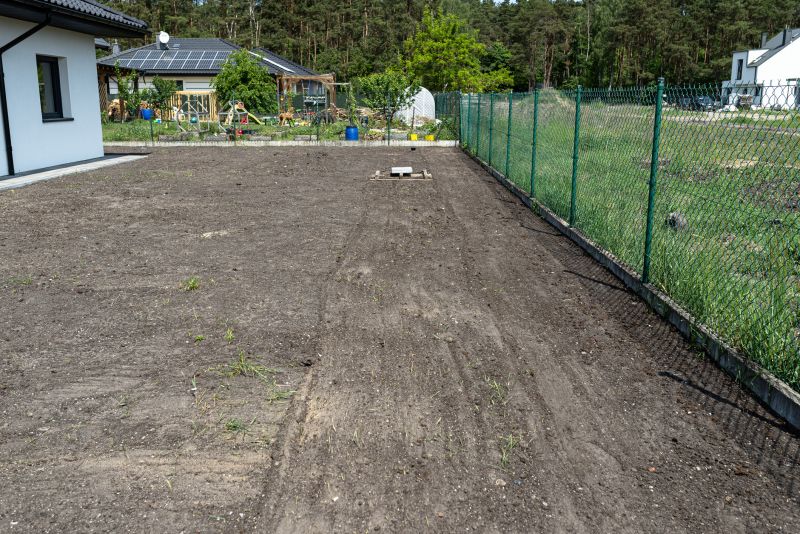
Lawn Leveling in Houston, TX
Lawn leveling services involve adjusting the surface of a yard to create a smooth, even terrain. This process is often used to correct uneven spots caused by settling, erosion, or poor initial grading. Projects can range from small patches of uneven ground to larger areas that require significant reshaping, ensuring proper drainage and a more aesthetically pleasing lawn. Homeowners typically seek lawn leveling to prevent water pooling, reduce trip hazards, and improve the overall appearance of their outdoor space.
Before requesting lawn leveling, property owners should consider the extent of unevenness and the underlying causes. It’s helpful to understand the specific areas that need attention and whether any existing drainage issues need to be addressed simultaneously. Additionally, knowing the type of soil and the current condition of the lawn can influence the best approach for leveling. Proper assessment ensures the project results in a stable, level yard that enhances the property's functionality and curb appeal.
Many property owners in Houston, TX look into Lawn Leveling for repairs, replacements, upgrades, and appearance-related improvements.
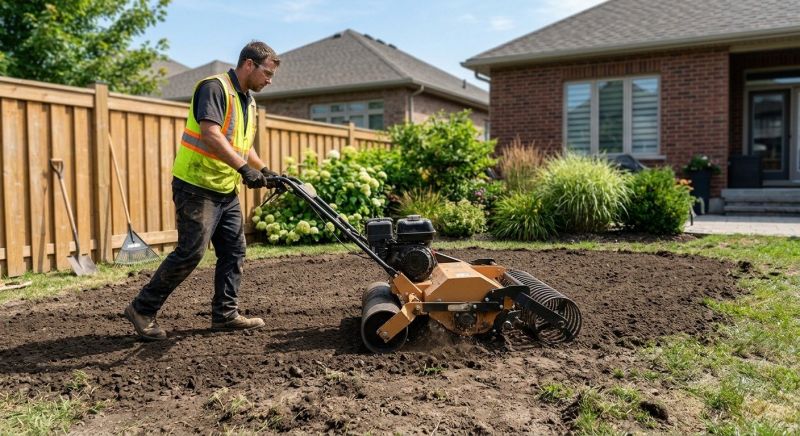
Lawn Leveling Services
Examples of lawn leveling work property owners may explore in houston, tx.
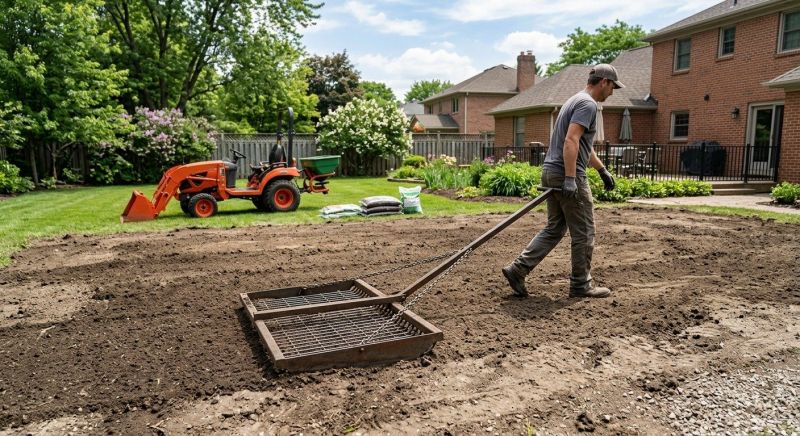
Lawn Leveling Updates
Common ways people refresh, improve, or restore lawn leveling features in houston, tx.
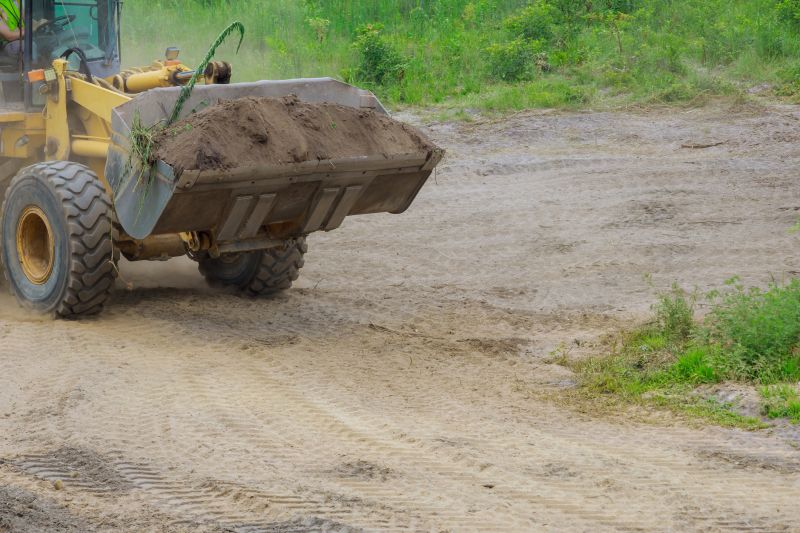
Lawn Leveling Options
Different styles, layouts, and finishes people consider for lawn leveling in houston, tx.
Lawn Leveling in Houston, TX

Lawn leveling services involve adjusting the surface of a yard to create a smooth, even terrain. This process is often used to correct uneven spots caused by settling, erosion, or poor initial grading. Projects can range from small patches of uneven ground to larger areas that require significant reshaping, ensuring proper drainage and a more aesthetically pleasing lawn. Homeowners typically seek lawn leveling to prevent water pooling, reduce trip hazards, and improve the overall appearance of their outdoor space.
Before requesting lawn leveling, property owners should consider the extent of unevenness and the underlying causes. It’s helpful to understand the specific areas that need attention and whether any existing drainage issues need to be addressed simultaneously. Additionally, knowing the type of soil and the current condition of the lawn can influence the best approach for leveling. Proper assessment ensures the project results in a stable, level yard that enhances the property's functionality and curb appeal.
Many property owners in Houston, TX look into Lawn Leveling for repairs, replacements, upgrades, and appearance-related improvements.
Common Lawn Leveling Jobs
Residential lawn leveling - smoothing uneven areas for a safer, more attractive yard.
Commercial lawn leveling - creating a level surface to enhance property appearance and usability.
Uneven ground correction - addressing dips and mounds that can cause drainage issues.
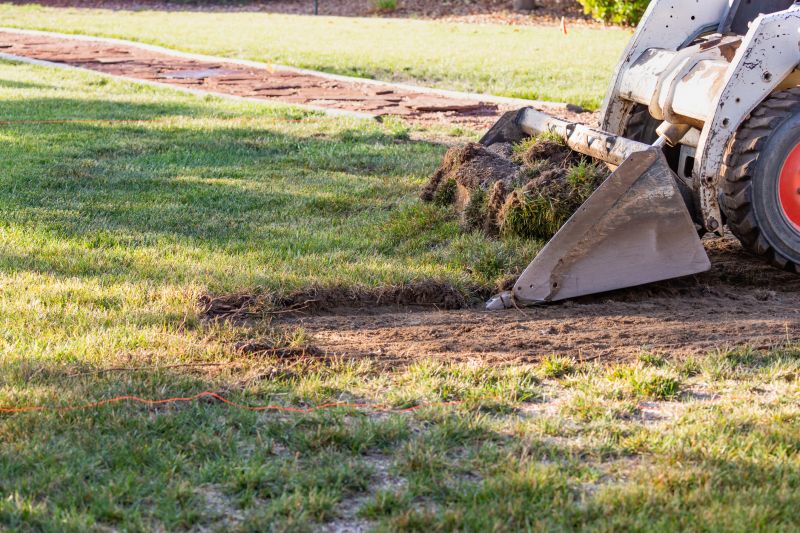
Yard leveling for landscaping - preparing the surface for planting, sod, or new turf installation.
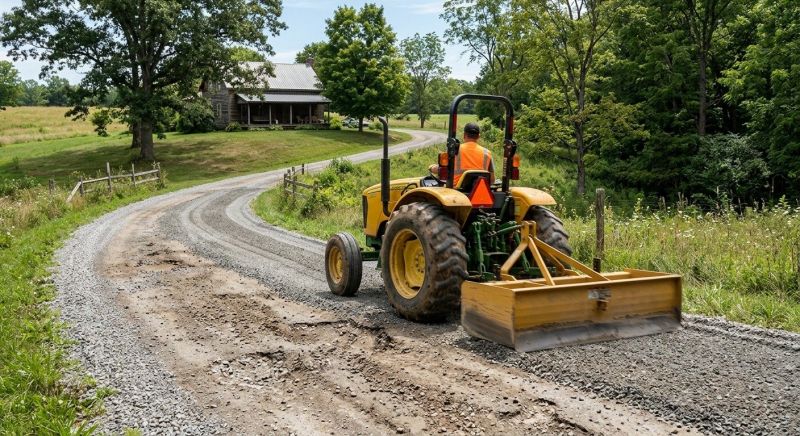
Flood prevention grading - adjusting slopes to improve water runoff and reduce pooling.
Soil redistribution - filling low spots and evening out the landscape for a consistent look.
Lawn Leveling Questions
What is lawn leveling? Lawn leveling involves adjusting the soil surface to create a smooth, even yard, reducing bumps and dips for better appearance and usability.
When should lawn leveling be considered? Lawn leveling is ideal when there are noticeable uneven areas, pooling water, or after soil disturbance from construction or landscaping.
What types of projects are common for lawn leveling? Common projects include addressing uneven patches, preparing a yard for new landscaping, or fixing areas with erosion or water runoff issues.
How does lawn leveling improve a property? It enhances the yard’s appearance, promotes healthier grass growth, and helps prevent water pooling and erosion problems.
Request Lawn Leveling in Houston, TX
Use the quote form on this page to share the basics of your project and request more information for the type of work you need.